Koh Lanta
Introduction
Lanta is now firmly established on the Thai tourism map but, as one of Thailand’s largest islands, it has been able to absorb the tourism boom of recent years without significant environmental impact.
|
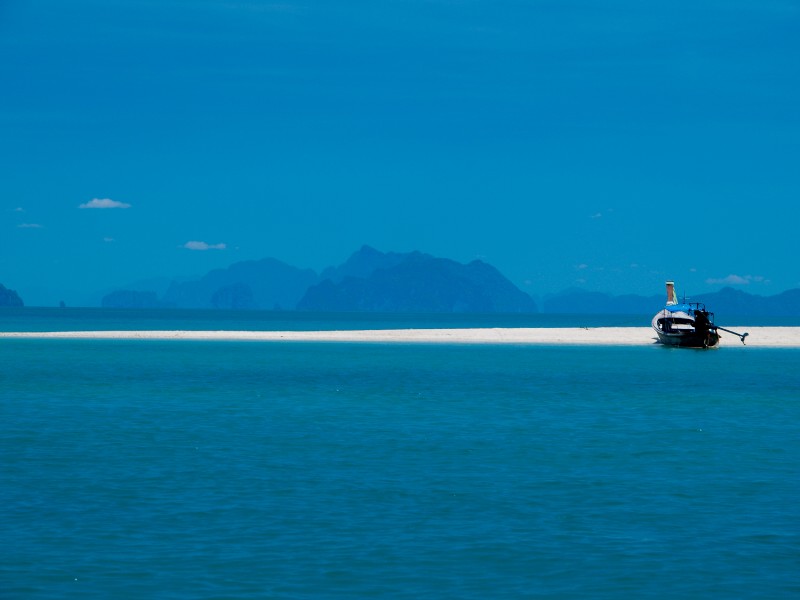
The lack of crowds on some of Lanta’s long beaches and its laid-back atmosphere are big draws, along with Lanta’s convenient location for some of the kingdom’s best diving and snorkeling spots - plus it is within day-trip range of Koh Muk’s amazing Emerald Cave (see '4-island trip', below).
|
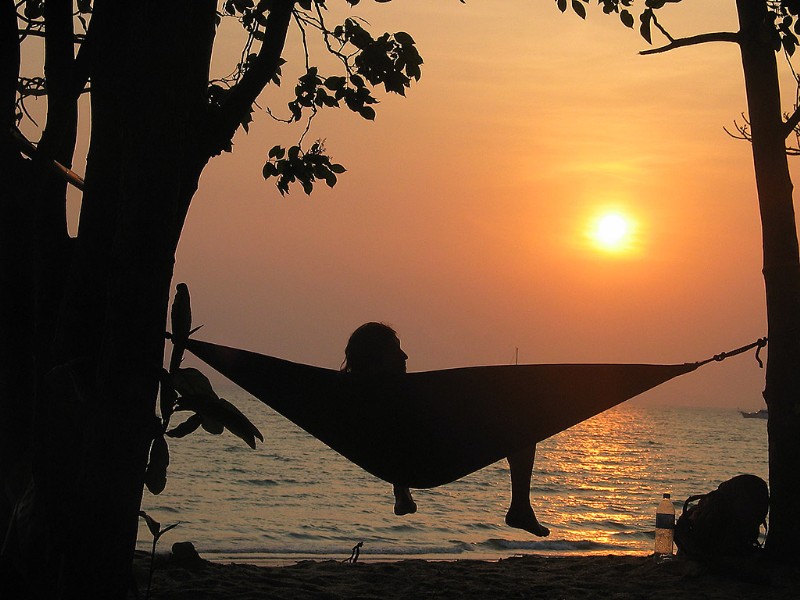
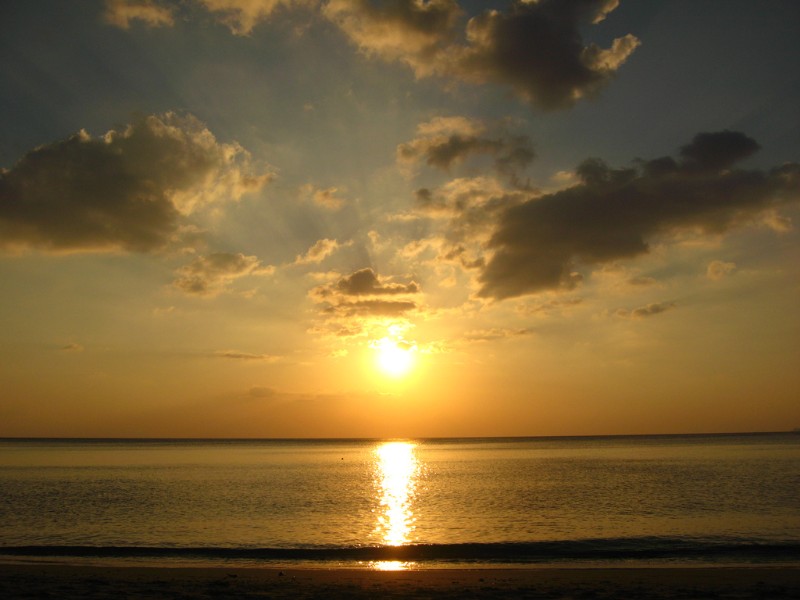
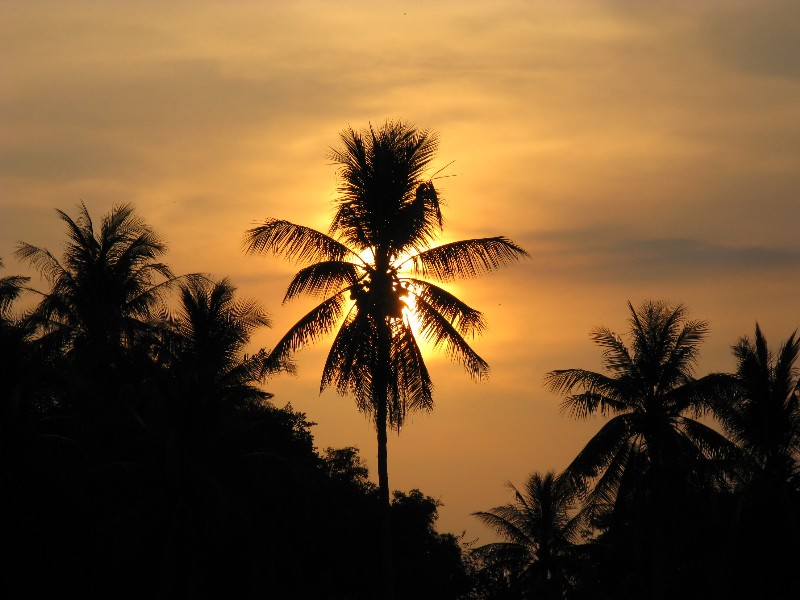
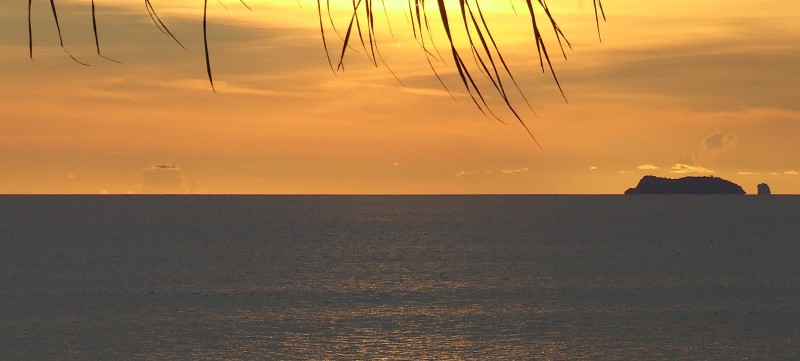
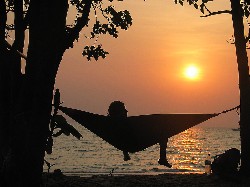
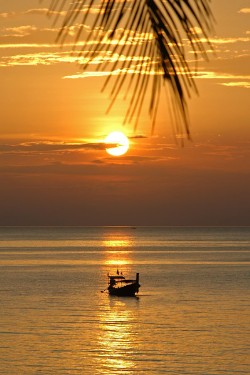
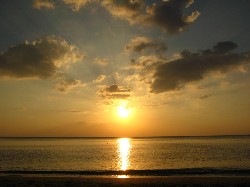
During the dry season (Nov to Apr) spectacular sunsets are a near daily certainty.
Ko Lanta means ‘dazzling island’ and with its ten beaches, breathtaking sunsets and laid back atmosphere, it does indeed dazzle. |
|
|
The degree to which you are dazzled will depend upon where you'll just arrived from. If you've just come from one of the more crowded destinations like Phi Phi, Phuket or Samui, or have just stepped off a plane from a frigid Western winter, you will no doubt have to keep pinching yourself, to make sure you haven't died and gone to heaven.
If, however, you've just arrived from more pristine idylls like Koh Lao Liang, Koh Bulone or Koh Yao Noi, you may find Lanta, especially the two northernmost beaches, over-developed. |
|
There are now over 100 resorts on the island, most of which are best avoided. We've visited them all and loaded most on this site (see below).
If you take care when you stay, Lanta is a great destination. If you end up in one of the island's many over-priced flea-pits, however, you are likely to be somewhat underwhelmed by Lanta.
|
|
|
|
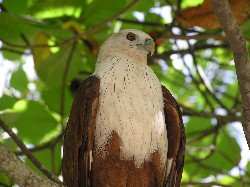
Koh Lanta is long (27km from north to south) and narrow (4 km) and has a spine of 500 metre high hills clad in untouched rainforest running down the middle.
|
|
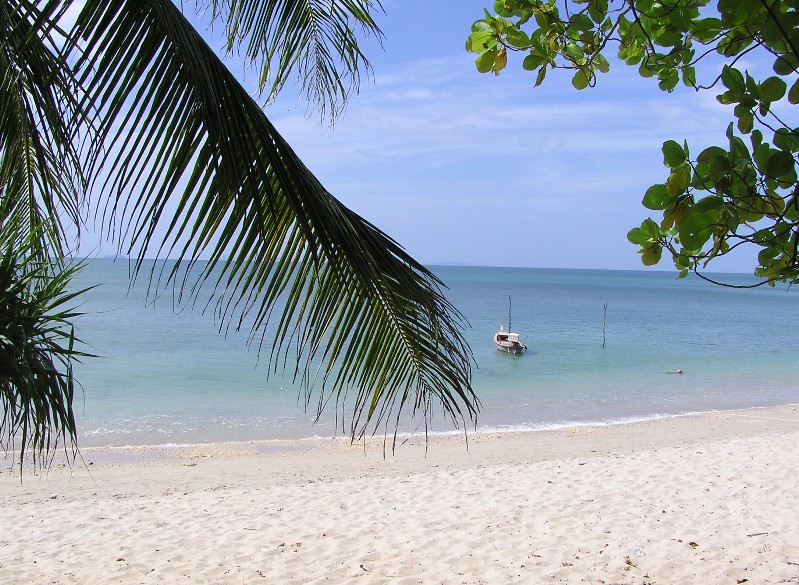
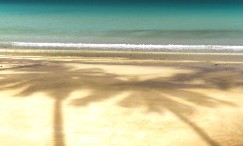
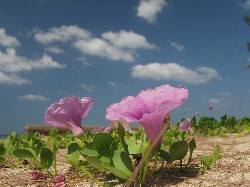
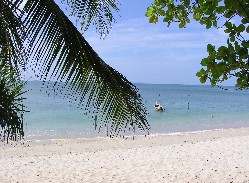
The western-facing coast is studded with a series of fine long beaches, while the east coast is edged by mudflats and mangrove swamps, making swimming impossible.
|
|
|
The southern tip of the island is reserved as a National Park, where visitors can explore virgin jungle, admire the dramatic coastline and bathe in crystal-clear waterfalls.
|
A 2 ½ km cliff-top trek starts at the National Park headquarters at Hat Hin Ngam and offers the chance to spot deer, wild pigs and monitor lizards, as well as to enjoy scenic sea and mountain vistas from a small white lighthouse at the trek’s highest point.
|
|
|
The island’s infrastructure has improved considerably in recent years and has caused a veritable explosion in tourism to the island, to the detriment of the ferry pier at the main town, the rather unsightly Saladan.
|
As well as the ferries from Ao Nang, Krabi and Phuket, minivans from the mainland arrive here – almost every visitor to Lanta arrives at the pier at Saladan.
|
|
|
The interior of the island is mainly covered in plantations of rubber, cashew-nut, fruit and palm trees.
There are still pockets of primeval forest left, mostly on the most southerly and steepest hillsides. |
The island is a great place for independent exploration, whether on foot along the beaches, trekking to the waterfalls and viewpoints in the interior, or touring the southern tip’s National Park by moped. |
|
 |
It's difficult to get lost, as there are so few roads and tracks to choose from, so you can just forget planning and randomly explore - if your chosen track ends in a dead end, it will do so pretty quickly, so you won’t have to back-track far.
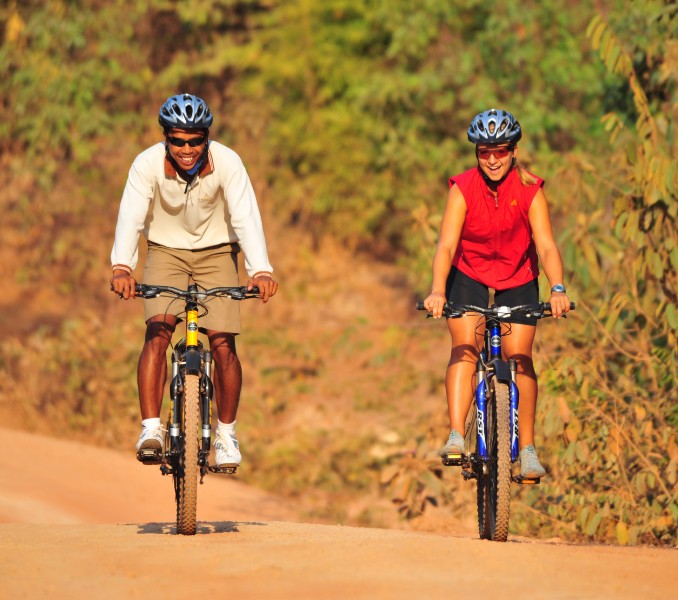
Some hardy souls rent mountain bikes to go exploring.
|
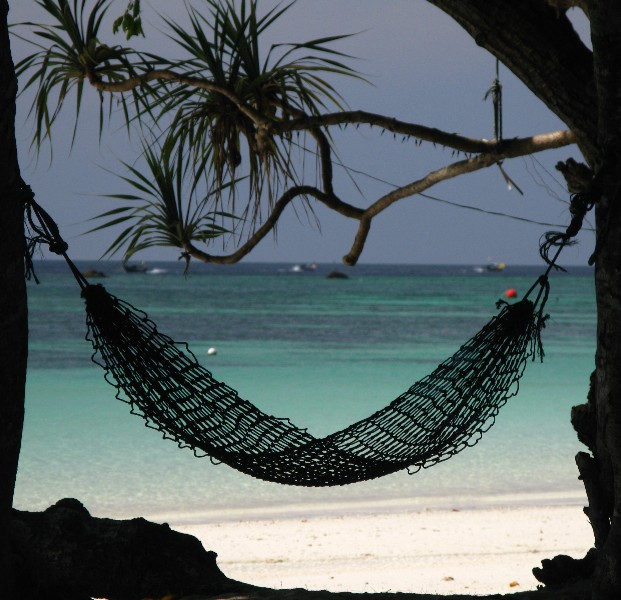
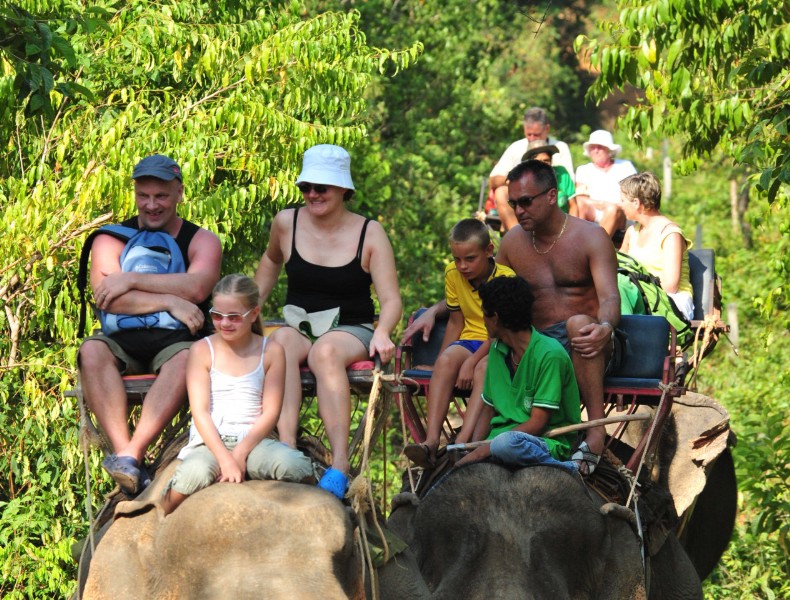
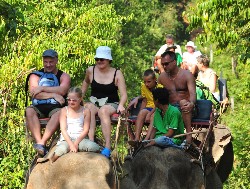
| Others prefer a less energetic transport method. |
 |
 |
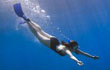
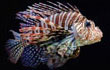
As well as reasonable elephant trekking, the islands offers superb snorkelling and scuba diving (for more, see the 'Tours' section below). |
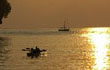
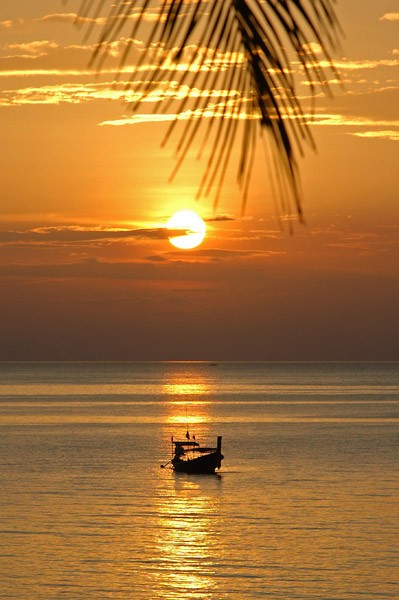
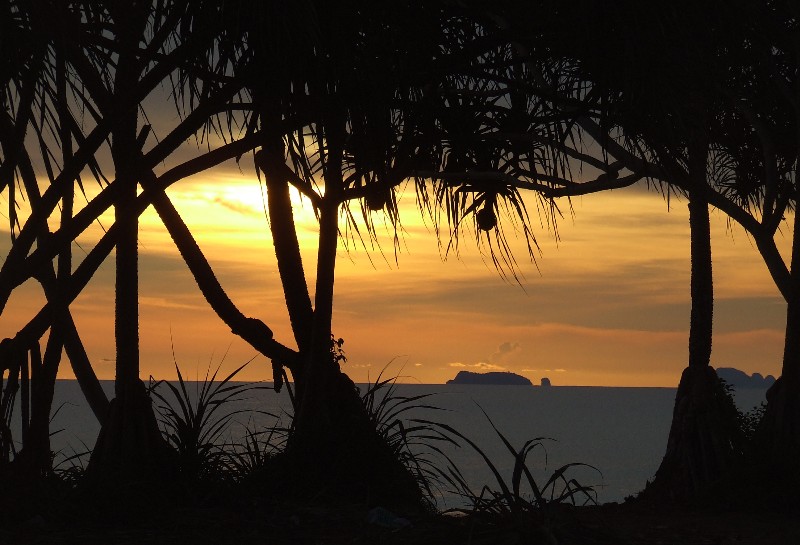
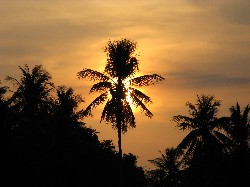
| The sunsets are so photogenic, it's no surprise that websites use so many images of them. Here's one showing Koh Haa in the background, it's worth clicking on to take a look at the full sized version. |
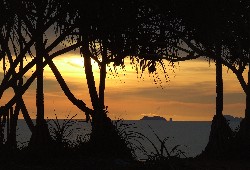 |
After this one last sunset image (I just can't resist this one), we'll take a look at some beaches.
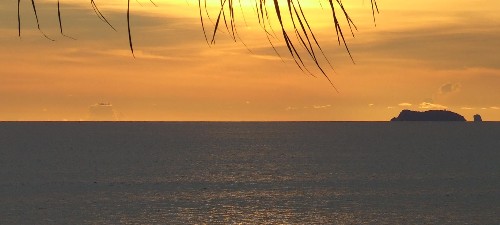
Beaches
Khlong Dao Beach
This silky-soft beach starts on the edge of the town at which the ferries arrive, and was consequently the first to be developed for tourism. Most if the island’s best mid-range family hotels are located here.
Phra Ae (Long Beach)
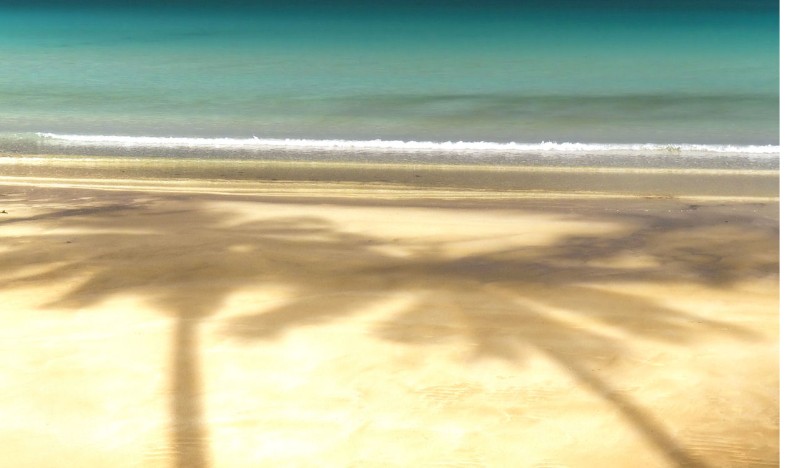
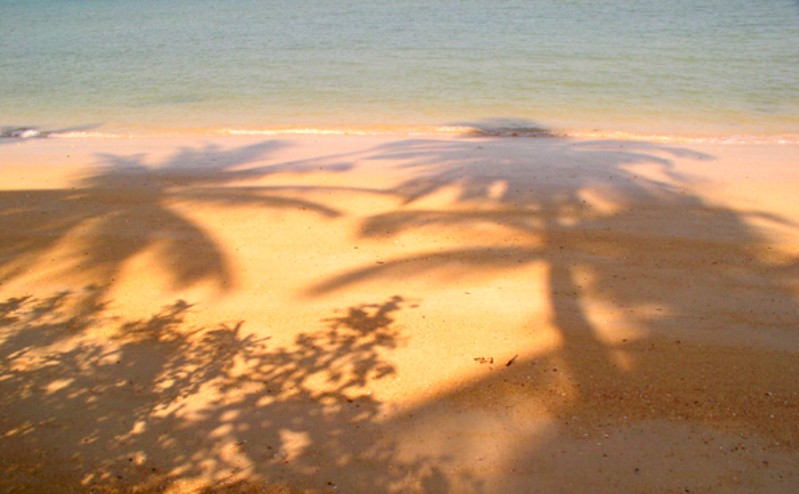
A couple of kilometers south of Khlong Dao beach, 4 km-long Long Beach is shaded by large numbers of coconut palms and has soft sand and good waters for swimming, both at low and high tide, making it a perfect and archetypically tropical idyll. These prodigious charms, combined with the beach’s proximity to the ferry pier, have made it Lanta’s main tourist destination, and a beach on which all the resorts are nearly full all high season.
Unfortunately this has led to high prices and complacency, as most resorts on Long Beach have now ceased to care about the quality of their establishments or service, as they know they will get enough guests whether or not they make an effort. Unless you can afford to stay at one of the more expensive places such as the Layana, Long Beach is now best avoided, as the mid-range resorts offer bad value for money.
Khlong Khong Beach
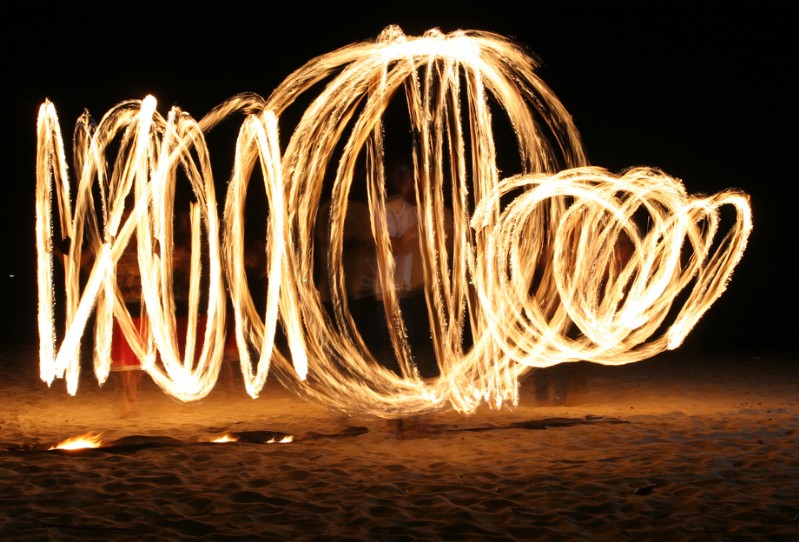
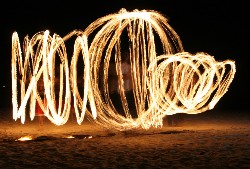
Whilst this laid-back 3 km-long beach just south of Long Beach isn’t the island’s best swimming beach, it offers great snorkeling at low tide. Accommodation is cheaper than on the preceding two beaches, with the emphasis being on more modest, but still clean bungalows. The beach is a lively place at night, with dining on the beach, fire-shows and rustic beach bars among the charms on offer.
Klong Nin Beach
This long beach is approximately 30 minutes south of Long Beach, and is well worth the extra travel time. The central portion of the beach, which is covered in silky, soft sand but not too many people, is best for swimming. The accommodation here consists primarily of stylish resorts, and this beach is at the moment arguably the best destination for travelers not quite deep-pocketed enough to be able to afford the Layana or Pimalai Resorts, on Long Beach and Kantiang Beach respectively.
Kantiang Beach
Framed by two headlands and to the back by jungle-clad hills, this lovely beach is dominated by the exclusive and exquisite Pimalai Resort, currently the best resort on the island. The care taken of the beach by Pimalai's 380 staff also benefits guests at the other resorts in the bay. Such visitors also benefit from Pimalai leaving fully 500 metres of beach, right in the middle of the bay, completely undeveloped.
It is as much what Kantiang lacks, as what it offers, which forms its charm. On Kantiang you will find no jetskis, no seried ranks of beach loungers, no lager louts, no crowds, no litter and no hassle.
Surprisingly for such a laid-back place, at night-time there is a hopping nightlife scene. The Aqua bar at the Baan Lanta resort, suspended above the water at high tide, is a comfortable and relaxed place to start the evening. Later on, most people move on to the Why Not bar, which can justifibaly lay claim to being Thailand's best beach bar. An architypically Thai rustic beach building style was used to construct this bar, which sprouts trees all over the place, as it was built in the middle of several. The live music here in high season is particularly excellent - the band is so good they spend the low season touring Scandinavia.
Koh Lanta Tours
Koh Lanta Resorts
Packages
The following packages include a visit to Koh Lanta. Click on a package for more information:

Andaman Sky, Co., Ltd, 454/2 Moo 1, Ao Nang, Thailand
|